Find fall STEAM lessons by age with a free printable schedule and hands-on activities for toddlers, preschoolers, elementary students, and middle school learners. This collection brings together seasonal science, coding, engineering, art, and math so you can choose a starting point that fits your kids.
With five kiddos, I know that one activity can look very different depending on who is doing it. My younger kids might describe a pumpkin or build a short stack, while older kids measure, record results, and explain why a design works.
Use the age groups as flexible suggestions, then adjust the materials, level of independence, and questions for each child. You can follow the printable schedule, pick one activity for a quiet afternoon, or turn a favorite project into a longer investigation.

How to Use the Printable Fall STEAM Schedule
Start by choosing the age group that most closely matches your child’s current skills and interests. Read the complete linked activity before gathering supplies, because the short descriptions here help you choose a lesson and do not replace its full directions.
The printable includes activity links that you can use when viewing it digitally, and the same activities are linked below. If you print the schedule, keep this page handy so you can open the directions, find any activity-specific worksheets, and check the materials before starting.
There is no need to complete every project or fill every day with a new lesson. Repeating a favorite activity with one thoughtful change often gives children more practice with problem-solving than rushing through another project.
Jump to: Toddlers | Preschoolers | Elementary | Middle School | Download the Schedule
What Makes These Activities STEAM?
STEAM stands for Science, Technology, Engineering, Art, and Math, and these lessons invite children to make connections between those areas. A pumpkin stack can involve engineering and measurement, while a paper circuit combines an electrical pathway with an artistic design.
You do not have to force all five subjects into every project for it to be worthwhile. Start with the question that interests your child, make space for testing and creating, and help them describe what they learned from the experience.
Fall STEAM Lessons for Toddlers
For toddlers, keep activities short, concrete, and closely supervised, using large materials and simple language. Focus on noticing, matching, moving, and exploring, with an adult handling small parts, sealed containers, and any tools.

Mini Pumpkin Sensory Play
Collect mini pumpkins and gourds with different colors, shapes, and textures, then invite your toddler to compare them with you. Use words such as smooth, bumpy, tall, and round, and try a low pumpkin stack together while an adult keeps heavy gourds from falling onto little hands.
On/Off Bitmap Coding
Use a simple on/off artwork activity to introduce the idea that a picture can be represented by a set of instructions. For toddlers, begin with matching and placing large pieces, then describe each action aloud without expecting them to understand binary numbers or formal programming.
Two-Material Tower Challenge
Offer the two materials described in the tower challenge and let your toddler explore stacking with adult help. Keep the goal simple—build, watch, and try again—and talk about what happens when a tower leans or when its base is made wider.
Colorful Turkey Craft
This colorful turkey craft gives young children a chance to explore color and work on grasping, placing, and arranging materials. If your child avoids a texture, offer a tool or another way to participate, and let the process matter more than a perfectly finished turkey.
Candy Corn Ten Frames
Use the ten-frame idea with a small number of large, age-appropriate counters for toddlers, saving candy corn and formal number combinations for children who are ready. Count together as you place each object, and stop when the activity still feels like a game rather than a worksheet lesson.
Leaf Sensory Bottle
Bring fall observations indoors with a leaf sensory bottle inspired by our nature walk activities. An adult should prepare and securely seal the bottle, while your toddler watches how the materials move and describes the colors or shapes they can see inside.
How to Catch a Turkey Art
Pair How to Catch a Turkey with a simple art activity to connect a story with hands-on exploration. Let your toddler choose colors and make marks in their own way, then talk about their picture without requiring it to look like the example.
Fall STEAM Lessons for Preschoolers
Preschoolers can begin making predictions, recognizing patterns, comparing objects, and explaining what they notice. Offer help with setup and encourage children to try another approach when a structure falls or a pattern does not match.

Pumpkin Five Senses Investigation
Explore a pumpkin with your senses and help your preschooler describe what they notice outside and inside. Follow the full activity for the printable pages and tasting guidance, and use the investigation to practice comparing textures, counting seeds, and asking questions about an everyday object.
Fall Pattern Coding Worksheets
These fall pattern worksheets invite kids to find a repeating unit and choose what comes next. Say the pattern aloud, let children move the pieces before gluing, and connect the task with the coding habits of following a sequence, spotting a rule, and checking for mistakes.
Build the Tallest Tower
Give preschoolers the same two-material tower challenge with a little more independence than the toddler version. Ask them to predict which arrangement will stay standing, measure or compare their towers, and rebuild after a collapse so they can see how a design changes.
Straw Painting and Moving Air
Explore how moving air can push paint across a page with this straw art activity. Choose it only for children who can reliably blow out rather than suck in, supervise closely, and compare the marks made when they change their blowing direction or the distance from the paint.
Make a Balance Scale
Build a simple balance scale and compare familiar household objects by mass. Preschoolers can predict which side will go down, test their ideas, and notice that the biggest-looking object is not always the one that makes the scale tip the most.
Dancing Cranberries Experiment
Watch soda bubbles collect on dried cranberries and investigate whether the fruit rises, turns, or sinks again. Compare fresh cranberries in plain water as a separate floating investigation, and use the updated post for troubleshooting when your fruit stays still or remains at the surface.
Room on the Broom Balance Challenge
Read Room on the Broom, then explore how the placement of objects changes a balancing arrangement. Preschoolers can try moving one piece at a time, describe which side drops, and work with an adult to find a position that keeps their broom balanced.
Fall STEAM Lessons for Elementary Students
Elementary students can follow a longer sequence of steps, compare designs, and keep simple observation records. Ask them to describe their evidence and explain how a change affected the result, rather than looking only for a finished product.

Spooky Ghost Sounds
Make spooky sounds using the balloon activity and investigate how movement produces vibration. Follow the full setup with adult supervision, then ask children to compare the sounds they hear as they change their motion while keeping the other materials the same.
Coding the Way: Unplugged Algorithms
Use this screen-free coding activity to practice giving instructions in a clear sequence. Have one child follow the directions exactly while another checks the route, then discuss how a missing or unclear command changes the result and how the instructions could be improved.
Stone Age Tools Engineering
Explore engineering through the Stone Age challenge cards and think about how available materials influence a tool design. Ask children to identify a problem, sketch a possible solution, build or model it, and explain how they would change it after testing.
Thanksgiving Salt Painting
Create Thanksgiving salt paintings and observe how color travels through the raised design. Invite children to describe where the color goes, compare gentle touches with larger drops, and connect their artwork with an investigation of how water interacts with the materials.
Fibonacci Math and Art
Connect a number pattern with a visual art project using our Fibonacci activity. Write out the first terms together and check how each new term is formed, then use the sequence as a design prompt while keeping the math visible in the finished work.
Chalk Pastel Leaf Rubbings
Collect leaves on a nature walk and use chalk pastel rubbings to reveal details such as veins, edges, and texture. Compare different leaves or drawing surfaces, changing one choice at a time so children can explain which combination captured the clearest details.
Stellaluna Balancing Bat
Read Stellaluna and explore balance with a bat-themed challenge. Children can predict where the model will balance, test it carefully, and notice how moving weight changes the result, turning a favorite story into a useful question about stability.
Fall STEAM Lessons for Middle School
Middle school learners can use familiar activities to ask deeper questions about variables, measurements, and how a model works. Add independence where appropriate, while an adult continues to supervise batteries, chemicals, sharp tools, and other materials that require care.

Apple Mummification Experiment
Make apple mummies and compare how different treatments affect the fruit over time. Middle school learners can keep the apple pieces and observation schedule consistent, record changes in appearance and mass when appropriate, and separate their measured results from ideas about why the changes occurred.
Coding with Swift Playgrounds
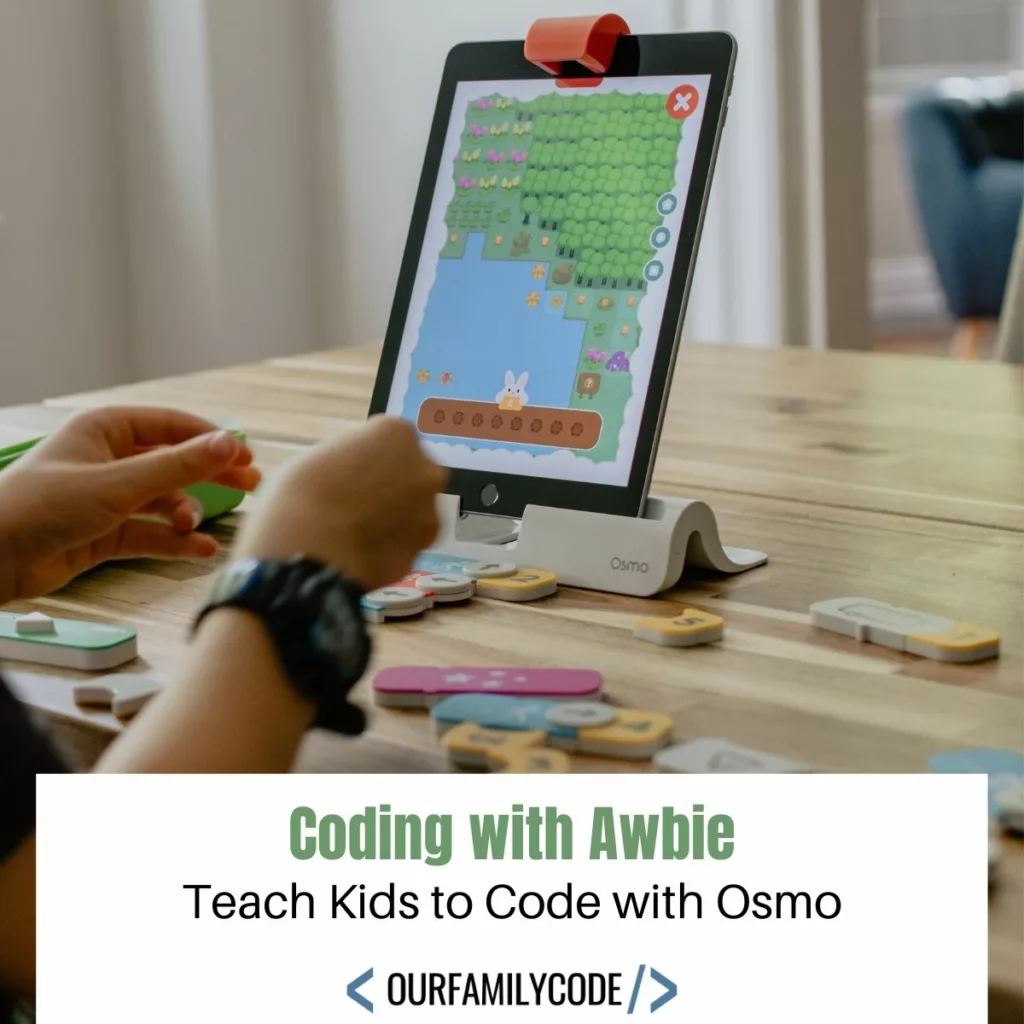
Use the linked Swift Playgrounds introduction as a starting point for exploring a digital coding activity when a compatible device is available. Set a specific goal, ask learners to explain the instructions they used, and have them describe a mistake they fixed instead of judging progress only by completion.
Pumpkin Paper Circuits
Combine art and engineering by building a pumpkin paper circuit with copper tape, LEDs, and a battery. Follow the full activity’s electrical and battery guidance, then ask students to trace the conducting path and explain how they located a loose connection or another reason an LED did not light.
Sharpie Art and Solubility
Explore what happens to marker ink in the Sharpie art solubility activity, following the full instructions for adult supervision and ventilation. Ask learners to predict how the colors will spread, describe what they actually see, and compare controlled trials rather than treating every attractive result as the same outcome.
Finding Pi with Math Sun Catchers
Investigate the relationship between a circle’s circumference and diameter while making math sun catchers. Compare measurements from more than one circle, calculate the ratios, and discuss why real measurements give approximate values instead of claiming that a craft alone proves a mathematical constant.
Pumpkin Science Challenges
Explore the original collection of pumpkin science challenges and choose a setup that fits your learners and available supervision. Our separate mini erupting pumpkins experiment is a useful starting point for investigating a baking soda and vinegar reaction with clear steps and questions about variables.
Rosie Revere Balloon Hovercraft
Pair Rosie Revere, Engineer with the CD balloon hovercraft challenge and ask students to explain how their model works. Older learners can document their design, compare trials, and change one feature at a time as they investigate how to improve its movement.
Adapting Fall STEAM Lessons for Mixed Ages
Choose one shared project and give each child a different job instead of preparing four separate lessons. During pumpkin stacking, a toddler might compare textures, a preschooler might count the pumpkins, an elementary student might measure the tower, and an older learner might explain a design change.
Offer options for children who find a material, texture, or task difficult, such as using a tool, observing first, or answering aloud instead of writing. A child can contribute a useful prediction or observation without completing every step independently.
End with a short conversation about what happened and what everyone would try next. Drawings, photos, spoken explanations, and a few written notes all help children revisit their ideas without turning every hands-on activity into a long worksheet assignment.
Download the Free Fall STEAM Lesson Schedule
Save the original printable schedule to plan lessons for your family, homeschool, or classroom. The age groups help organize the choices, and you can use the activity links on this page whenever you need the complete directions.
Download the Free Fall STEAM Lesson Schedule
The schedule is a planning resource; worksheets and templates for individual projects are found in their linked activity posts. Check those pages before a lesson so you know which printables, materials, and adult preparation it needs.
You Might Also Like
For more seasonal projects, explore our Halloween STEM activities for kids, including spooky science, coding, and engineering. Our Thanksgiving crafts and activities offer another place to look as your fall plans move toward November.
If you want a simpler starting point, try the newly refreshed dancing cranberries experiment or the fall I Spy worksheets. Pick the activity that suits today’s time, supplies, and curiosity, then leave room for children to make it their own.
Save this free printable fall STEAM schedule for later!

Meet Toni, the Maker Mom behind Our Family Code

Hey there, I’m Toni! I’m a software engineer and Maker Mom that finds my joy in unleashing my children’s curiosity by exploring STEAM concepts with my fantastic five!
When I’m not chasing toddlers or raising tweens, you can find me tearing things up and putting them back together over here at Our Family Code.
I am the owner and content creator of multiple educational websites designed to increase access to STEAM & STEM education with a focus on teaching computer science and coding to kids of all ages!